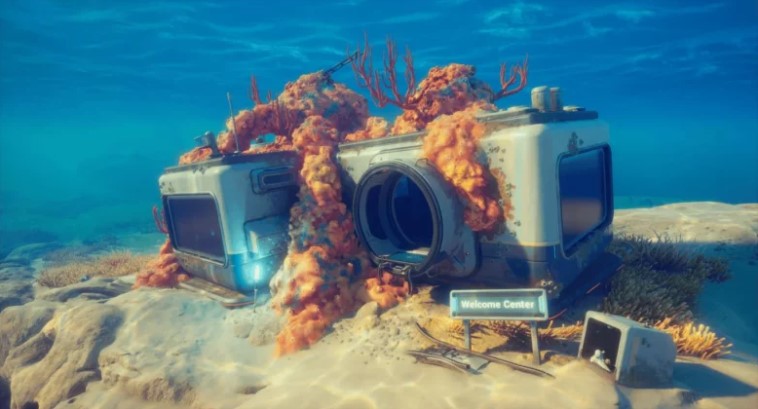
In this Subnautica 2 guide, you’ll learn where to find all the important crafting materials, including minerals, organic resources, scrap metal, electronics, ingots, and rare materials related to the alien race.
As expected from the original, Subnautica 2 utilizes a comprehensive resource system based on minerals, organics, recycled components, electronics, and refined metals. Some materials can be safely harvested right from the start of the game, in the starting area, while others are found only in deeper and more remote biomes, caves, thermal zones, near dangerous creatures, or require specialized equipment like fabricators and recyclers.
How resources work in Subnautica 2
Resources in Subnautica 2 are divided into minerals, organic materials, scrap, and craftable components. Minerals are mined from deposits and ore nodes, organic materials are collected manually or with a builder, and craftable resources are manufactured through a fabricator or recycler.
Many materials cannot be found in finished form. For example, wire kits, advanced wire kits, glass, titanium ingots, and energy cells are crafted from different raw materials.
All Subnautica 2 resources
The game has several resource categories, each responsible for a specific stage of progression. Titanium, copper, and quartz are especially important in the early stages —they’re needed for crafting tools, building a base, batteries, and basic equipment.
As you explore the world, you’ll need rarer materials: silver, lead, gold, and sulfur . These are used for electronics, upgrades, and advanced components.
In addition to regular minerals, you will have to mine organics, creature resources, recycled materials, electronics, and special alloys.
Most simple resources can be collected manually, but biological materials will require a builder, and large deposits will require a sound resonator.
The most important starting resources
At the beginning of the game, the top resources to collect are titanium, copper, quartz, acidogenic rayon sacks, fibrous pulp, and luminous rotten wood. All these resources are needed to craft the first tools, simple batteries, containers, base parts, fibers, rubber, and oil.
It’s best to save the later resources for later—when you have a builder, a scanner, high-capacity oxygen tanks, and enough inventory space.
Titanium
- Where to find : Found worldwide, also recycled from scrap metal such as plates.
- Purpose : base construction, tools, containers.
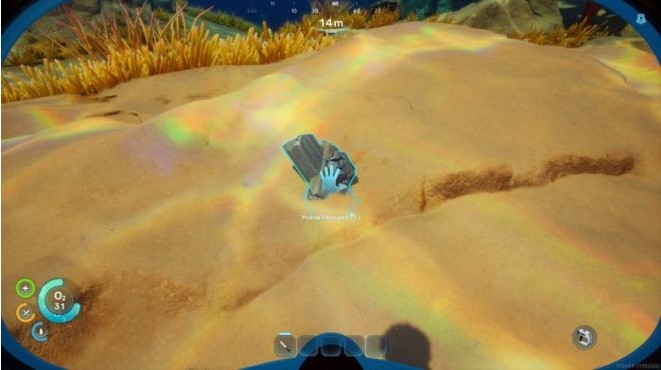
Copper
- Where to find : caves and canyon walls.
- What is needed : a simple battery, copper wire.
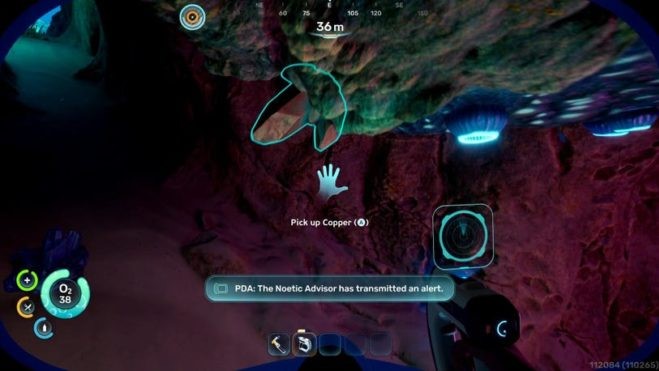
Quartz
- Where to find : coral zones and sandy areas.
- What is it for : glass, manufacturer, battery terminal.
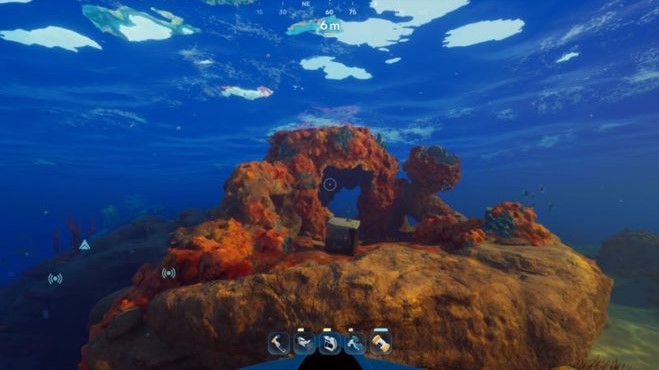
Acidogenic rayon sac
- Where to find : purple and green plants with bags.
- What is it for : a simple battery.
Fibrous pulp
- Where to find : Obtained by cutting plants with a multi-tool.
- What is it used for : fiber, fiber mesh.
Light-bearing rot
- Where to find : Plants with glowing orange pentagons.
- What is it needed for : rubber, oil.
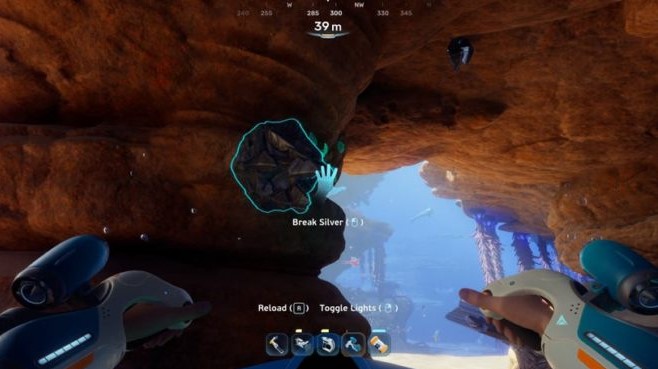
Silver
- Where to find : deep caves.
- What you need : a set of wires, a regular oxygen cylinder.
Lead
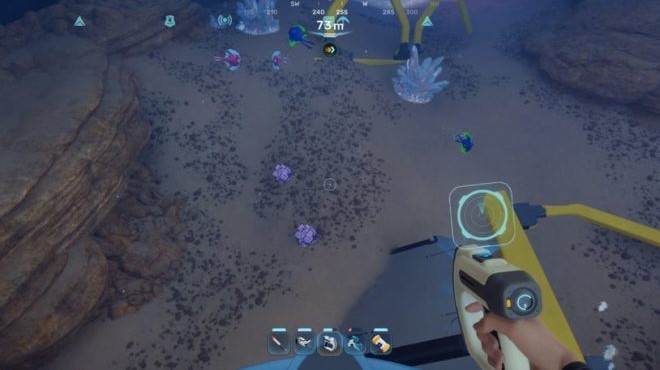
- Where to find : deep canyons.
- What is needed for : sound resonator, germanium (ingot).
Minerals and ores
Mineral resources are used for tools, power systems, electronics, modules, and base construction. Some are found almost everywhere, while others appear only in hot zones, deep caves, or near alien ruins (where alien structures are present).
- Titanium . Found worldwide and recycled from scrap metal, it is used for construction, tools, and titanium ingots.
- Copper . Often found in caves and on rock walls. Used for batteries, wiring, and electronics.
- Quartz . Found near coral and sandy areas. Used for glass and battery terminals.
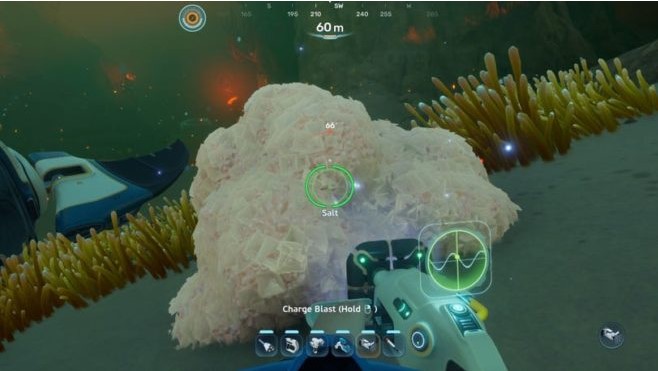
- Salt . Can be found approximately 500 meters southeast of the escape pod . Needed for power cells, food, and glass.
- Silver . Found in deep caves. Used for wiring kits and oxygen tanks.
- Lead . Deep, bare canyons. Needed for sound resonators and germanium ingots.
- Gold . Hot spots near sulfur. Used for improved wire kits and gold bars.
- Sulfur . Hot spots near gold. Needed for strong acid and advanced electronics.
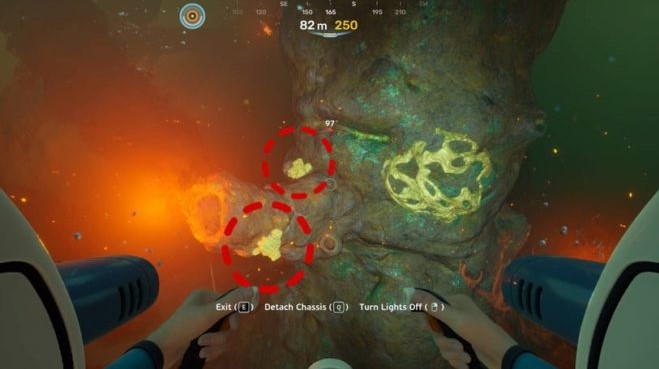
- Lithium . Deep caverns beneath vast coral arches. Used for plasteel ingots.
- Atacamite . Alien structures in the Far East. Used for manganese steel ingots and high-capacity oxygen tanks.
- Celestine . Found near the alien power plant and the alien observatory. Used for strontium and high-level crafting.
- Conductive Crystal . Located near the alien power plant. Needed for advanced batteries and the reflected wave resonator.
- Mineralized Slag . Located in the Metal Extractor area. Destroyed by a Sonic Resonator, it yields Troilite.
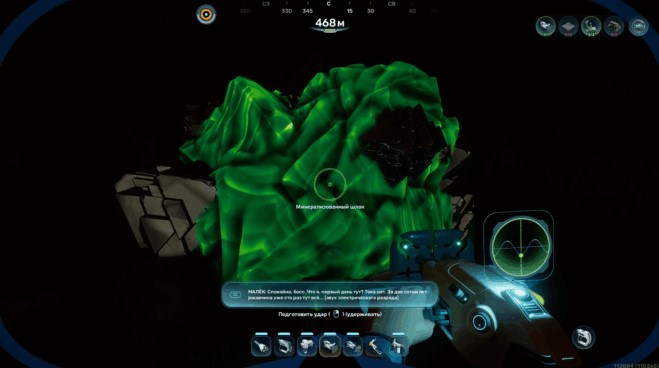
- Troilite . Obtained from mineralized slag. Used for manganese steel ingots and quantum energy cells.
- Unprocessed ore . Obtained from ore processing routes. Can be processed into copper, quartz, or titanium.
- Strontium . Created from celestine. A late material produced in the refinery.
Plant, coral and biological resources
These materials are used to create simple batteries, medical supplies, fibers, rubber, acids, food, and advanced crafting. Most require the Builder tool.
- A bag of acidogenic rayon . Obtained from purple and green rayon plants. Needed for simple batteries and weak acid.
- A sac of medicinal mucus . The same plants are found in the area. It is used for healing.
- Fibrous pulp . Obtained by cutting plants with a multi-tool. Used for fiber, mesh, and biofuel.
- Luminous rot . Plants with glowing orange spheres. Used for rubber, oil, and decoys.
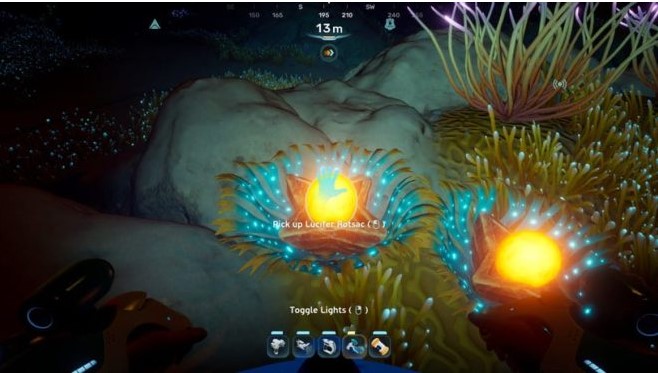
- Coral chips . Obtained from coral. Used to make coral paste (food).
- Necrolea cyst . Blue and purple coral zones north of the escape pod. Necessary to create concentrated acid.
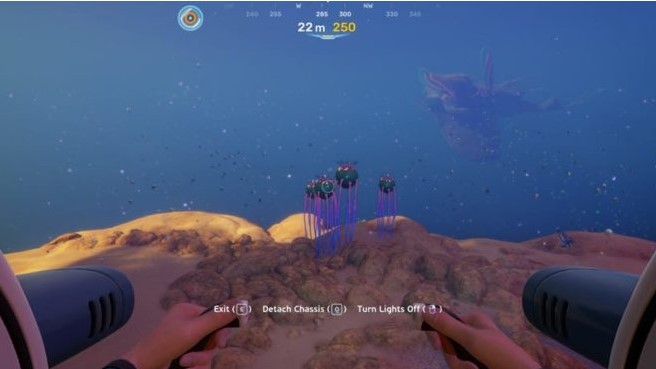
- Axum Bacteria Colony . Yellow-green pools near Metal Extractors. Used for later recipes.
- Biological enamel . Found near the alien power plant. Needed for crafting enameled glass.
- Aeroshell sponge . Collected from spongy growths. A minor biological resource.
- Rotten cherimoya . Used for cooking—cherimoya chutney and pavlova.
- Crab droppings . Dropped by crab-like creatures. Used for biofuel.
- Deep-winged egg laying . Used to make the dessert “Pavlova”.
- Penta . Used for biofuels and weak acid.
Resources from debris
These materials are not mined from natural deposits, but from the wreckage of ships and structures.
- Scrap metal . Found near the wreckage of the Cicada ship. Can be recycled into titanium.
- Aksumite resonator . A rare object from extraterrestrial zones.
- Biocapsule . Located among the debris and complexes.
Basic materials being created
- Glass . Created from 2 units of quartz.
- Enameled glass . Made from 1 glass and 1 portion of biological enamel.
- Fiber . Made from 2 servings of fibrous pulp.
- Mesh fiber . Created from 2 fibers and 1 portion of concentrated acid.
- Rubber . Crafted from 2 Lightbringer Rots.
- Oil . Created from 1 Light-Bearing Rot.
- A weak acid . Created from two sacs of acidogenic rayon and one copper.
- Concentrated acid . Crafted from 2 Necroleia Cysts or 1 Sulfur, and 1 Gold.
- Titanium Scraps . Crafted from scrap metal.
Electronics and advanced components
- A simple battery . Made from 2 copper oxides and 1 bag of acidogenic rayon.
- High-tech battery . Crafted from 1 conductive crystal, 1 concentrated acid, and 1 silver ingot.
- Copper wire . Made from 2 copper strands.
- Energy Cell . Crafted from 2 simple batteries, 1 concentrated acid, and 1 salt.
- Quantum Energy Cell . Crafted from 1 Conductive Crystal, 1 Concentrated Acid, 1 Gold Bar, and 1 Troilite.
- Wire set . Made from 1 silver and 1 copper wire.
- A high-tech wire set . Crafted from 1 wire set, 1 gold, and 1 sulfur.
- System chip . Made from 1 set of wires and 2 quartz crystals.
- Dedicated core . Created from 1 high-tech wire set, 2 quartz crystals, and 1 concentrated acid.
Ingots and refined materials
- Titanium Ingot . Crafted from 3 Titans.
- Copper Ingot . Crafted from 3 copper.
- Silver Bar . Crafted from 3 silver.
- Gold Bar . Crafted from 3 gold.
- Germanium ingot . Crafted from 2 silver or 2 lead.
- Plasteel Ingot . Crafted from 2 Titanium and 1 Lithium.
- Manganese Steel Ingot . Crafted from 1 Titanium Ingot, 1 Atacamite, and 1 Troilite.
- Strontium . Crafted from 2 Celestines.
Best routes and resource farming tips
Gather resources gradually: first, completely clear the area around the escape pod, then collect early biological materials, and then move on to the deep caves to find silver and lead. Only then should you craft a sonic resonator and head to the thermal springs and more remote parts of the ocean .
- Start gathering resources near the escape pod. Collect titanium, copper, and quartz to craft your first tools, glass, and base construction.
- Harvest acidogenic rayon sacks, fibrous pulp, and luminous rotten wood to craft simple batteries, fibers, rubber, and oil.
- Explore deep caves to obtain silver and lead.
- Create a Sonic Resonator and use it to destroy large resource deposits.
- After gaining resistance to overheating (adaptation), go to the thermal springs for gold and sulfur.
- Once you have your oxygen supplies, containers, and equipment ready, move on to the later resources: lithium, atacamite, celestite, conductive crystal, and troilite.