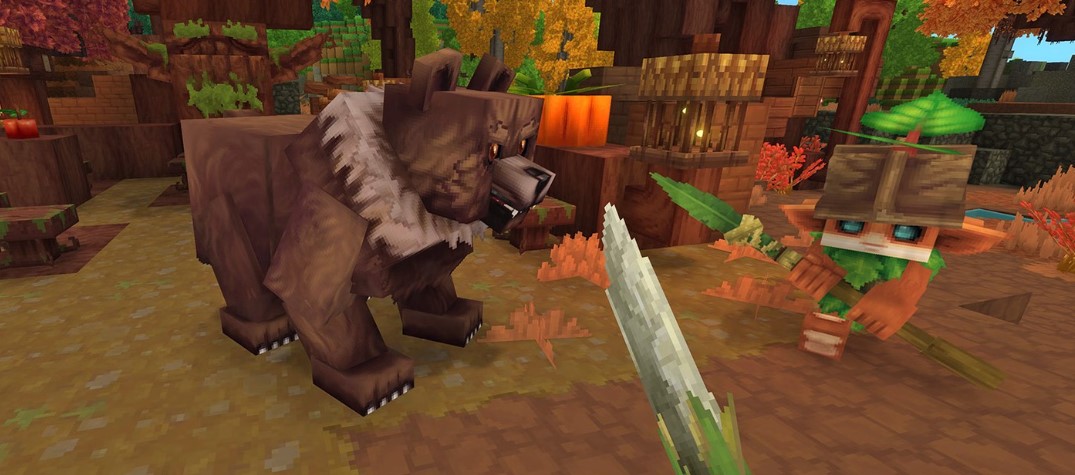
Hytale ‘s resource gathering system is divided into two main areas: hunting hostile mobs and raising animals on your own farm. The former yields flax scraps and other materials for crafting equipment, while the latter provides a steady source of hides, meat, and other ingredients. Both mechanics are critical for survival and progression, especially in the early stages of the game.
Extracting flax scraps from humanoid monsters
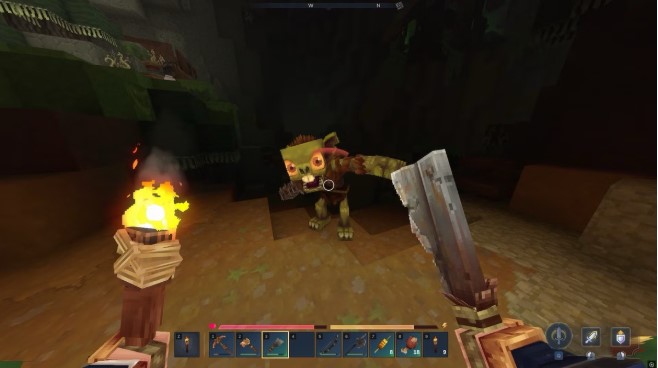
Flax Scraps are a resource that cannot be crafted independently—the only way to obtain them is by clearing hostile camps. This material drops exclusively from humanoid enemies using real equipment: skeletons, goblins, and troks. Beast-like humanoids, such as swamp hunters, do not drop flax scraps, so you should focus on enemies with weapons and armor.
Humanoid monsters spawn randomly throughout the world, but guaranteed spawn points are found in camps and ruins. These locations are easily identified on the map by their distinctive features: skeletal ruins are surrounded by walls, trok camps are built on the ground on hills or plains, and goblins set up camps inside mountains. Finding a suitable camp makes for an effective farming spot.
The main advantage of monster camps is that enemies respawn after a certain amount of time. This is important because not every enemy killed drops flax scraps. Trocs and goblins drop flax scraps more frequently, while skeletons primarily drop bone fragments. Camps also contain loot chests, which may contain flax scraps and other valuable items.
Flax scraps are required for crafting early equipment—tools, weapons, and armor made from iron and thorium. However, the main use of this material is in crafting equipment repair kits. In addition to flax scraps, these kits require light leather and iron ingots, so farming this resource should be done in parallel with other materials.
Baiting animals with a bag of food
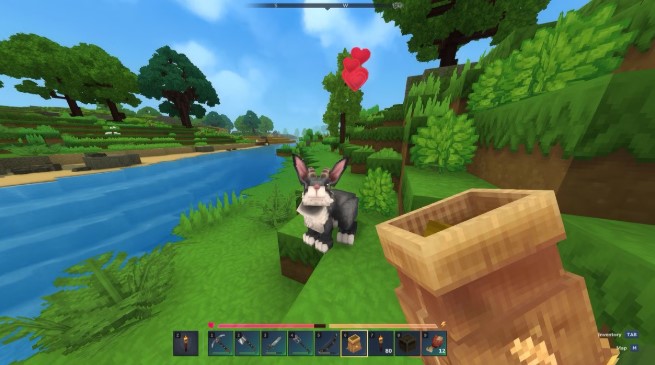
Wild animals in Hytale flee when the player approaches, unless they’re predators. A bag of food solves this problem, allowing you to approach potential prey without spooking them. Crafting this item takes place at a farming workbench and requires:
-
10 wheat
-
5 any vegetables
-
5 any fruits
-
10 essences of life
All ingredients are found quite frequently while exploring the world. Life essences are obtained by harvesting vegetables and grains like wheat. The latter can be grown in your own base by plowing the land and planting wheat seeds to create a permanent source of the resource.
Small animals holding a food bag stop running away when approached. This mechanic works with chickens, piglets, and rabbits—hearts appear above their heads as a sign of friendliness. The current version of the game assumes that the bait system is not yet fully implemented, but the basic functionality already allows interaction with young animals.
Some animals react to specific foods. Rabbits and horses will follow the player if they hold a carrot—an alternative lure method without the need to craft a special bag.
Catching animals with a trap
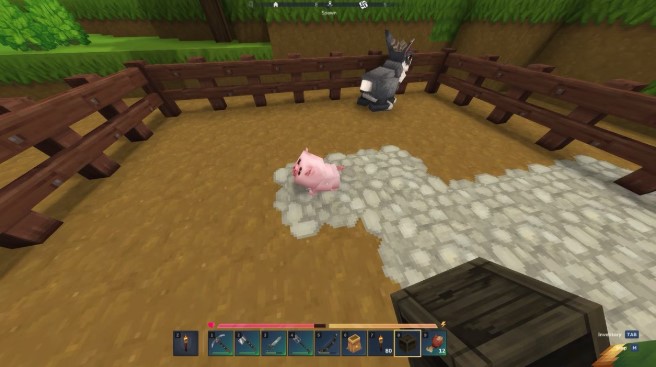
The Capture Box allows you to catch small animals for transport to your farm. Rabbits, chickens, and piglets can be used as sources of leather, meat, and other resources if you breed them near your base.
The trap design is unlocked after upgrading the farmer’s workbench to level 2, which requires:
-
50 essences of life
-
5 wheat
-
5 salads
-
5 softwood trunks
Wheat and lettuce seeds are crafted on farm workbenches using essences of life. After planting and harvesting, the necessary ingredients for upgrading can be obtained at the base. Softwood trunks are obtained from beech trees in meadow biomes.
Using the trap is incredibly simple: just pick it up, aim it at a small creature, and press the left mouse button. The animal will be trapped inside the box, and to release it, simply press the same button again. Captured creatures can be moved to prepared pens to create a livestock farm.