In 2025, the Sony PlayStation 2 turned 25 years old—it’s the best-selling gaming console of all time, with 160 million units sold. The PS2 earned its status primarily thanks to its legendary game library. To celebrate its anniversary, we’re releasing a second collection of titles that are still playable today. The only difference: this time, we’ll focus on franchises that were unpopular in Russia in the 2000s, but are renowned worldwide.
Yakuza and Yakuza 2
In recent years, the Yakuza franchise—now known as Like a Dragon—has only gained momentum, with new games regularly released, simultaneously around the world in multiple languages. They’ve even started being translated into Russian! But it all began in 2005 and 2006 on PlayStation 2, where the first two games were released.
These games tell the story of a former member of the yakuza—a Japanese criminal organization—named Kiryu Kazuma. He took the blame for the murder of his family’s boss, committed by his half-brother, and was imprisoned for 10 years. Upon his release, Kiryu finds himself embroiled in a major internecine struggle over 10 billion yen, the key to which is a little girl named Haruka, the daughter of an old acquaintance.
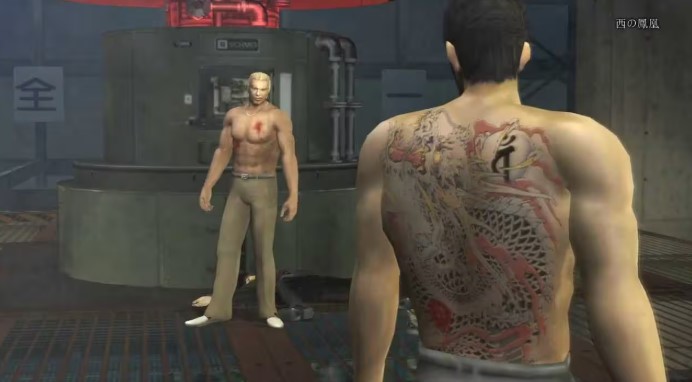
The Yakuza series is a beat ’em up genre where the protagonist fights hordes of enemies and bosses with their fists. The player must master and memorize a variety of combos to effectively overcome challenges.
Explore a small area of Tokyo called Kamuro-cho, where you’ll find plenty of activities to keep you entertained: karaoke, bowling, golf, a fighting arena, and much more. Minigames and interesting events abound!
The side quests also stand out—there are plenty of them, and their quality of execution is every bit as good as the main story. But there’s a catch: while the main plot is a crime drama, the side quests are mostly entertaining, creating a strong contrast.
The second part adds another large location to Kamuro-cho: the Sotenbori district of Osaka. At least half of the sequel’s story unfolds there, and its development is just as meticulous as Kamuro-cho’s, adding to its unique atmosphere.
The sequel’s plot is every bit as dramatic and profound as the original. Many fans, in fact, consider the second part even better than the first!
Atlus games: Persona 3, Persona 4 and Shin Megami Tensei III
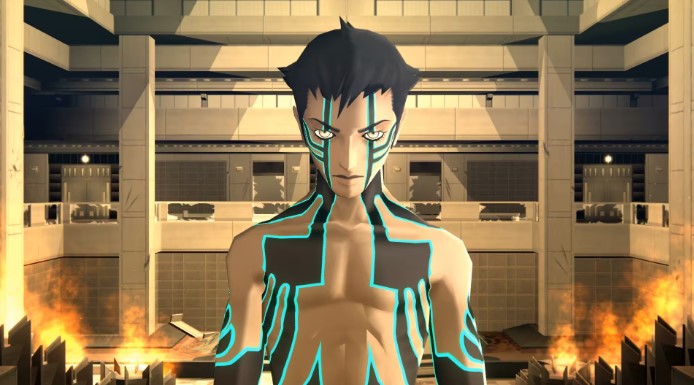
Iconic JRPG franchises include the Shin Megami Tensei series and its spinoff, the Persona franchise from developer ATLUS. The third SMT game, as well as the third and fourth Persona games, were released on PlayStation 2.
All of these games are Japanese role-playing games with turn-based combat, a deep story, and other hallmarks of the genre. The difference lay in the protagonists’ companions: while Persona featured fully-fledged parties of living heroes with their own backstories, SMT featured monsters that the player had to recruit into their party. The atmosphere was also different: Persona was rich in psychological subtext and hidden meanings, while SMT offered a classic epic tale of angels and demons.
In Shin Megami Tensei 3, modern-day Tokyo is destroyed by an apocalypse, and the world is transformed into a living hell. The protagonist, a high school student, gains demonic powers and becomes a Half-Demon, coming into conflict with the forces of order and chaos. In the finale, he makes a choice: create a new world, restore the old one, or leave everything as is—it all depends on the player’s perspective.
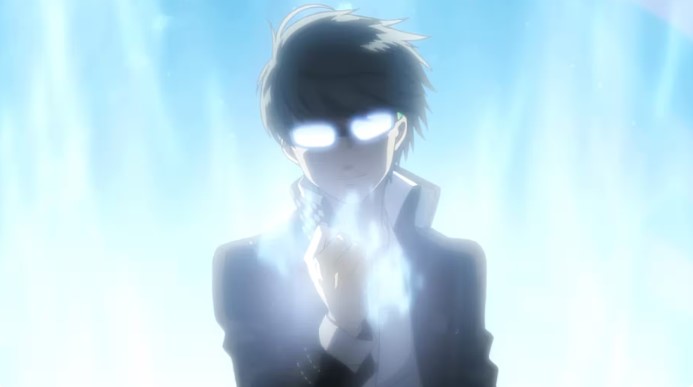
The third and fourth Persona games transformed the franchise, and it began to gain popularity. Since then, the Persona games have followed the protagonists’ everyday lives as they deal with mysticism: during the day, the player had to go to school and work, or spend limited time with their friends, developing relationships with them. All of this provided bonuses in combat. And at night, they could venture into a dungeon to further investigate mysterious events and/or rescue someone.
The plot of Persona 3 revolved around the 25th hour of the day, which only a select few could experience. During this time, the city’s school was replaced by a massive tower, Tartarus, with over two hundred floors. The only way to uncover the truth was to explore this tower.
Persona 4’s story revolved around weather-related kidnappings—whenever it rained, someone in the town would disappear and find themselves trapped inside a mystical dimension. Accessed through a television screen in the dead of night, players had to conduct a full-blown detective investigation to find the villain.
Okami
In 2006, game designer Hideki Kamiya, famous for creating the Devil May Cry and Bayonetta series, decided to experiment with the game Okami. It was developed by the now-defunct Clover Studio and published by Capcom.
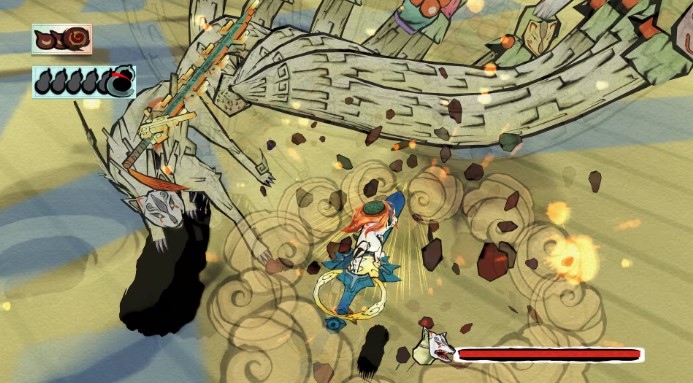
The game takes place in the fictional country of Nippon—a mythological version of Japan—and features the sun goddess Amaterasu, represented as a white she-wolf. The antagonist is the demon Orochi, whom the player must defeat to restore peace and tranquility to Nippon.
The game is somewhat similar to The Legend of Zelda series: combat, platforming, puzzles, exploration, and so on. The gameplay’s main feature is the Celestial Brush—a special mechanic that allows the player to pause the game and “paint” special symbols that directly affect the game world. You can cut things, make them bloom, burn them, repair them, and so on.
The brush’s ink was limited but replenished over time, forcing players to not only use their imagination but also calculate their strength carefully. This allowed for in-game magic to be brought to life in the gameplay, further enhancing the atmosphere of the world of Okami.
Players praised the project’s creative approach, unique visual style, and music. Despite its lack of financial success, the game remains remembered: it was re-released on Wii and PlayStation 3 in 2008 and 2012, and an HD remaster was released in 2017-2018 for PlayStation 4, Xbox One, PC, and Nintendo Switch. A sequel, Okami 2, was announced in 2024, but there has been no news since.
Psychonauts
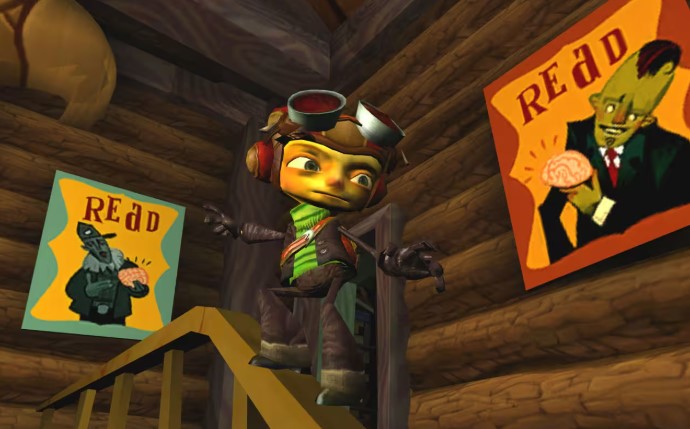
The original Psychonauts was released in 2005. Despite its financial failure, the project gained a cult following. The game was developed by Double Fine Productions, and the project’s director was game designer Tim Schafer, who had been nurturing the idea since 1995.
The protagonist is Razputin “Raz” Akuato, a 10-year-old boy with psychic abilities. He runs away from his family and infiltrates a secret camp training special cadets for the elite organization of Psychonauts—psychic spies who fight against psychic terrorists.
Raz joins the students, trains, and develops his powers, but suddenly discovers a sinister conspiracy: someone is stealing the children’s brains. He dives into the characters’ subconscious, unraveling their traumas, phobias, and memories to save his friends and the entire camp. The story is full of dark humor, film/book references, and psychological themes, which are emphasized.
The project combines 3D platforming with journeys through other people’s minds, where each level is a surreal world through which the protagonist must navigate using telekinesis, levitation, pyrokinesis, and invisibility.
The game was loved for its creativity, humor, and boldness. A sequel was released in 2021, which was also well-received and received high reviews.
Dragon Quest VIII: Journey of the Cursed King
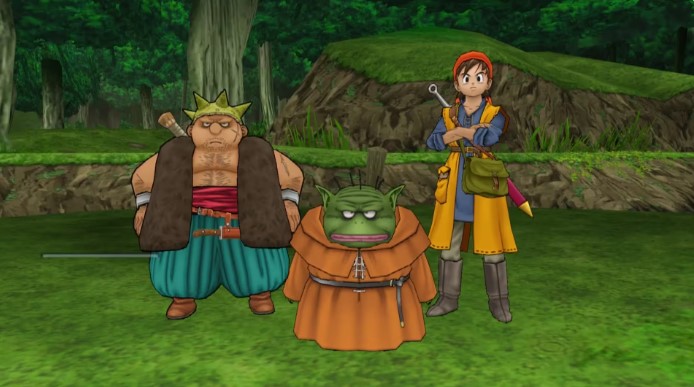
The eighth installment in Square Enix’s iconic JRPG series was released in 2004 on PlayStation 2. The game was the franchise’s first mainline title to be rendered in full 3D.
The protagonist is Trodain, the silent guardian of the kingdom. One day, the evil sorcerer Doulmagus, formerly a jester, curses the castle and its inhabitants, including the king and his daughter, Princess Medea, turning them into a troll and a horse. Only the protagonist and Yangus, a former thief loyal to the king, escape the spell. The three, along with the king and Yangus, set out on a journey through a fantasy world, gathering a party, uncovering the secrets of the curse, and battling the darkness.
The game explores classic Japanese RPG themes: friendship, the battle between good and evil, journey and duty, legacy and redemption. It’s full of humor, and the story has two endings: romantic or adventurous.
There are several ways to explore the world: walking, sailing on a ship, flying on a bird, and riding a huge pet, Sabercat, which makes huge leaps, making it very convenient. You receive it about halfway through the game.
The game features alchemy, a special gladiator arena with monsters to breed, and random battles that cannot be avoided while exploring. The combat system in Dragon Quest VIII is turn-based, focusing on the active fighter. A party consists of four characters, which you select for each round of combat. It’s simple yet deep—there’s no need for excessive grinding, and battles rely on tactics.
Today, Dragon Quest VIII is considered one of the best games in the series!
Final Fantasy XII: The Zodiac Age
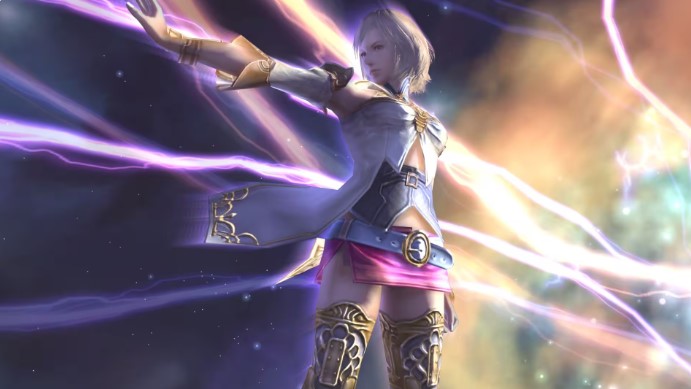
Another legendary JRPG series from Square Enix is available on PlayStation 2 with three installments: the tenth, eleventh, and twelfth. All three have achieved varying degrees of cult status, but the twelfth is the most unique.
Firstly, its plot theme stands out: a political epic with intrigue and twists. It’s a mature story about freedom, loss, and the fate of entire empires. Square Enix attempted to replicate this formula in future games, particularly in the sixteenth, but it was here that the narrative proved most balanced.
The story follows a young orphaned thief named Vaan from Rabanastre, the capital of the small kingdom of Dalmasca. This kingdom is notable for its location between two large empires, and when war breaks out between them, Dalmasca finds itself under occupation. Vaan joins a pirate crew and sets off on a journey across the continents, battling invaders and uncovering the secrets of magical stones and ancient gods.
Secondly, combat in Final Fantasy XII is a blend of turn-based battles and real-time action. You can dodge and attack, and when the Active Dimension Battle (ADB) meter fills, you can pause the game and choose which skill to use.
The combat system is also notable because the player can define a behavioral pattern for their characters using the Gambit system. This literally programs characters to act in a “If [condition], then [action]” style. For example, if a character’s health drops below 50%, an ally might begin healing them, because you’ve already stated, “If a friend is wounded, heal them. Otherwise, attack the weakest enemy.” Enemies operate according to the same system.
The free camera helps you control the battlefield—Final Fantasy XII was the first single-player game in the franchise to allow 360-degree camera rotation. It also helps with exploration, as there are no random battles and you’re free to avoid enemy clusters.
Onimusha: Warlords
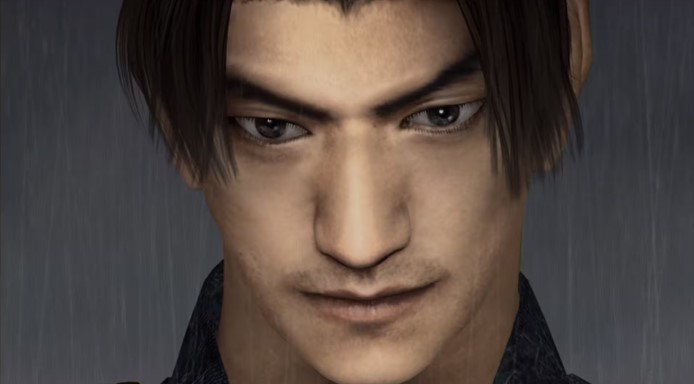
Samurai themes spiced with supernatural elements are one of the most popular genres in Japanese video games. Capcom decided to join this trend with the release of Onimusha: Warlords in 2001.
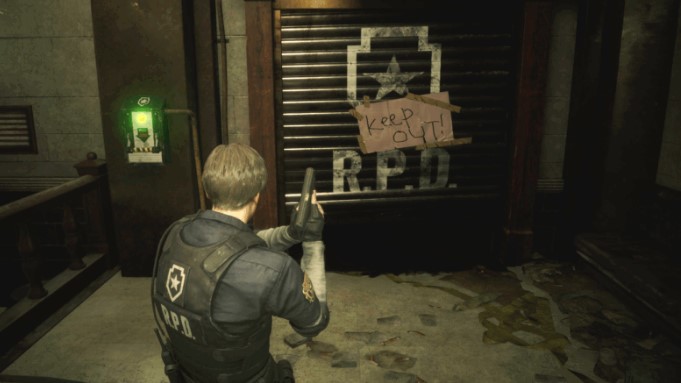
Another cult franchise, Resident Evil, served as a source of inspiration for the project. From it, the project inherited its fixed camera, tank-like controls, puzzles, QTE segments, and epic demon bosses.
Players had to run through corridors and small locations, wielding swords, bows, and cannons. Combats emphasized combos and parries, and with the help of a special artifact—the Demon Hand—they could harness the four elements: ice, fire, lightning, and wind.
The story takes place in 1582 in Sengoku period Japan. The main character is a samurai named Samanosuke Akechi, who received the Demon Hand from the good Oni and, teaming up with the kunoichi Kaede, attacked Oda Nobunaga’s castle. All to rescue his imprisoned sister.
An HD remaster of the project was released in 2018, and the original Onimusha is now available to play on all major platforms.
Ratchet and Clank, Jak and Dexter and Sly Cooper
During the PlayStation 2 era, three franchises became iconic for Sony. These were platformers featuring characters that became true PlayStation icons: Ratchet and Clank, Jak and Dexter, and Sly Cooper.
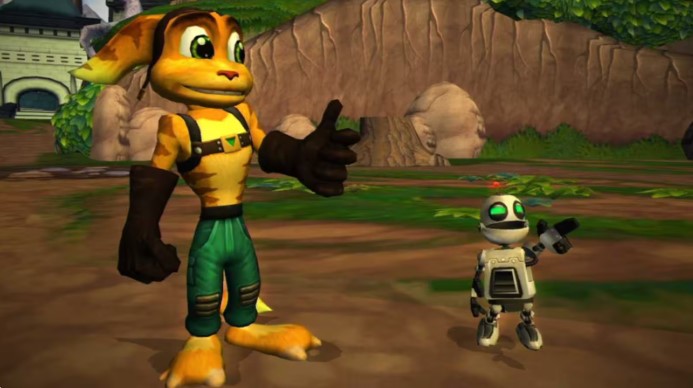
The Ratchet and Clank games were developed by Insomniac Games. Four games were released on sixth-generation consoles, but the first one has achieved the most cult status.
The story follows mechanic Ratchet, a Lombax from the desert planet Welding, who dreams of space while simultaneously working on his own ship. One day, he rescues a small robot named Clank, who warns him of the plans of Chairman Drek, a Blerg. The villain plans to reshape the galaxy, destroying planets in his path. The heroes team up, embark on a journey, find allies, and challenge the antagonist.
The story is linear, full of humor and satire, and emphasizes the theme of friendship. Additionally, the game features various side quests and bonus levels that can engage the player and reveal more about the world. Gameplay-wise, it’s a 3D platformer combined with a third-person shooter. The protagonist has access to over 20 weapons, a jetpack, a hoverboard, a grappling hook, and more.
A remake of the same name was released on PlayStation 4 in 2016, but the original game still holds up well.
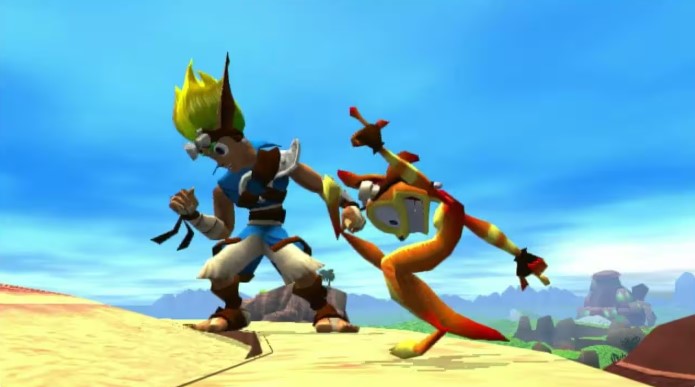
The Jak and Dexter series was developed by Naughty Dog. Four games were also released on PS2. The first game was released in 2001 and marked the beginning of a larger story involving time travel and other related elements.
The main characters are a duo consisting of Jack, a taciturn 15-year-old boy, and his friend Dexter, who, on the contrary, loves to talk. The pair decide to disobey the orders of their mentor, Seimos, and visit a mysterious foggy island. There, they witness strange people seeking artifacts from the ancient Forerunner civilization. The heroes try to escape, but are spotted by a guard, and during a scuffle with him, Dexter falls into a pool of special energy—Dark Eco. This causes Jack’s friend to transform into an otter—a talking otter. To restore him to his original form, the protagonists embark on a journey in search of the Master of Dark Eco, but realize something is amiss: all the masters are being kidnapped.
Jak and Dexter’s gameplay is a pure 3D open-world platformer that emphasizes seamless exploration, platforming, item collection, and simple combat.
The world contains several hub locations with missions, but you’re free to move in any direction with an automatic third-person camera. The game features an Eco system—a special life force that can be used for various effects, from healing to destroying obstacles—depending on the color of the force used.
The second and third Jak games are significantly darker than the first. An open world is introduced, along with life systems reminiscent of GTA, and the story picks up speed: the Copperhead race is gaining strength to take over the world and secure all the Eco energy reserves for themselves. Jack, irradiated with dark Eco in a Copperhead lab, becomes one of the leading resistance fighters, but begins to lose control. Only Dexter keeps his partner on the “light side.”
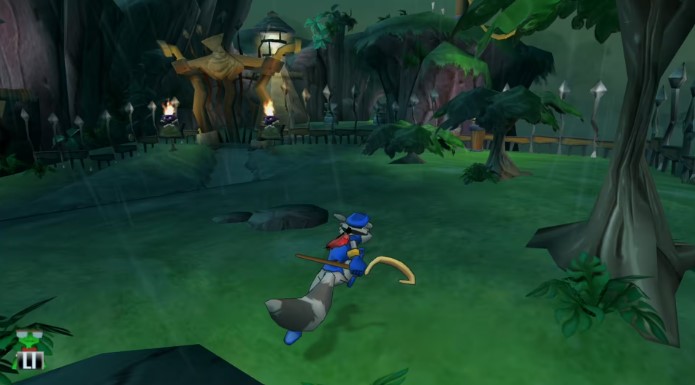
The Sly Cooper franchise is a cult series of stealth platformers from Sucker Punch. The first three installments were released on PS2, after which development moved to Sanzaru Games.
The protagonist is a raccoon thief named Sly Cooper. Together with his gang, consisting of the hacker turtle Bentley and the strongman hippopotamus Murray, they steal artifacts from villains around the world and return them to their rightful owners. All the games are connected by a single story of revenge, honor among thieves, and friendship in the style of comic book noir.
The gameplay focuses on stealth, acrobatics, and teamwork between characters, which can be switched between. To navigate platforming sections, the player has access to double jumps, sliding on ropes and rails, vaulting over obstacles, grappling hooks, and more. There are also combat sections that emphasize combos and perfect timing.
While the first part was a linear story, the second added a choice of missions and several hub locations, and the third even featured an open world.
Shadow of the Colossus and ICO
The Sony PlayStation 2 was home to two games by Japanese game designer Fumito Ueda: Shadow of the Colossus and ICO. Ueda is renowned for his use of interesting mechanics and storytelling techniques. His games stood out for their minimalist, dialogue-free storytelling, emotional connections between characters, unique visual style with overexposed lighting, and an emphasis on exploration and collaboration.
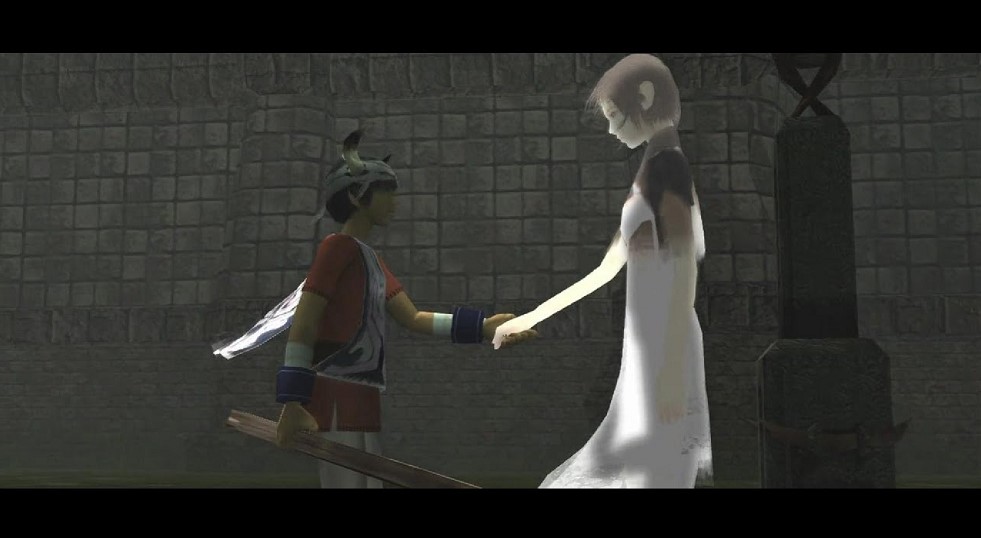
In Ico, the protagonist helps the mysterious girl Yorda escape from a castle by communicating with her nonverbally. Yorda is slow, and you can’t progress without her: you have to wait for her to open magical doors, help her climb ledges, and so on. You literally have to lead her by the hand, speeding her up, preventing her from lagging behind, and creating a bond between the characters—as if you were responsible for her, like your own child.
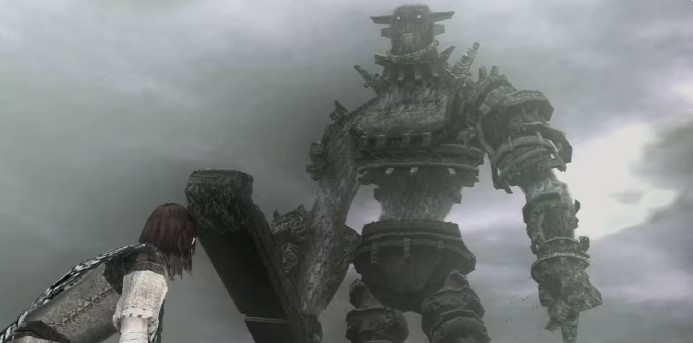
In Shadow of the Colossus, the protagonist had to defeat 16 colossal colossi, which he first had to find in a vast world and then figure out how to defeat—each requiring a unique approach. All with the goal of resurrecting the protagonist’s beloved, who was sacrificed by her own people. Shadow of the Colossus became a cult classic and was later re-released twice. Today, you can enjoy not only the original on PS2, but also an HD remaster on PS3, as well as a full remake on PS4—both developed by Bluepoint Games.
Both projects weren’t huge box office successes, but they were memorable for their emotional components and the game designer’s unique style—they’re still worth playing today.