Moonlighter 2: The Endless Vault, the sequel to the iconic game about a merchant who descends into dungeons at night to acquire artifacts for his shop, launched in Early Access in November. Digital Sun didn’t radically rework the successful formula, but they expanded it to further develop all the original’s key ideas. The project isn’t finished yet, but it’s clearly shaping up to be a much larger and more diverse game. Let me explain.
- Developer: Digital Sun
- Publisher: 11 Bit Studios
- Platforms: PC, PlayStation 5 , Xbox Series X|S
- Early Access Release Date: November 19, 2025
The plot of Moonlighter 2: The Endless Vault continues the story of the first game. And you don’t need to have played the original to understand what’s going on here—the developers have included an introduction that recounts the events of Moonlighter, explaining how Will, the owner of a relic shop , came to this point. Following the events in his home village of Rinoke, Will, along with other familiar characters like his childhood friend Tomo and the old man Zenon, finds himself stranded on an island in the village of Tresna.
Here, he’s forced to start from scratch. Will is penniless again, using only a broom as his weapon. The shop he rents is small and isn’t yet profitable. By incorporating this plot twist, Moonlighter 2: The Endless Vault reintroduces players to updated and fundamentally new mechanics and encourages the merchant to explore new, local dungeons .
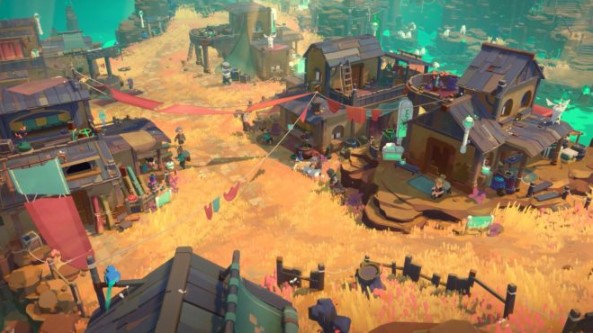
The main intriguing moment is the sudden appearance of an artifact in the village square, specifically called the Endless Vault. The artifact contacts the merchant and offers to grant his wishes if he dares to penetrate its endless labyrinths. This object is the cornerstone of a new progression system that will allow players to progress through the story, earn unique rewards, upgrade the store, and even improve the village and the well-being of its residents.
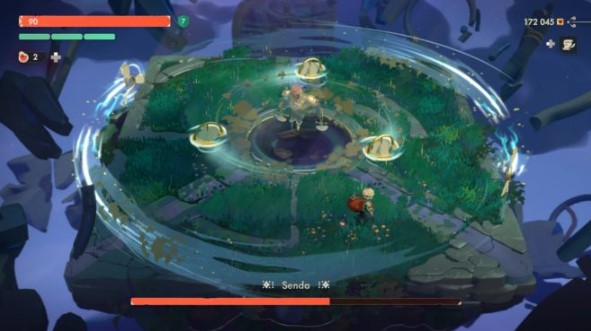
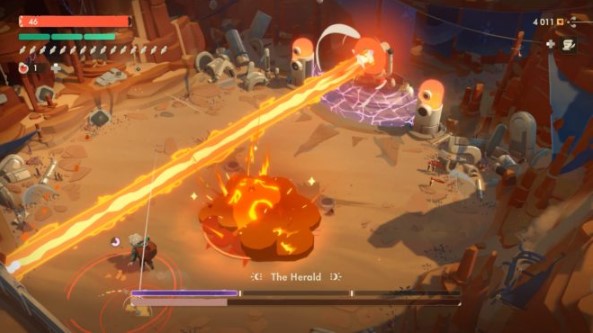
While the sequel retains the original’s general premise—a combination of clearing procedurally generated dungeons and trading loot in a store—both components have become significantly deeper in practice. The combat system has been strengthened. You choose your path between rooms in a roguelike fashion , assessing threats and reward potential in advance. The number of room types has increased significantly, as has the number of possible encounters and the variety of enemies.
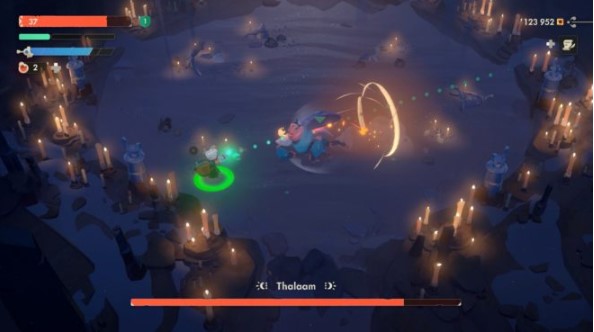
The rooms have become more vibrant. There are now traps that can be used against enemies, cover, aggressive plants, mini-bosses, rare chests, and weapon perks. For example, the bleeding effect, which can greatly impact the dynamics of combat when applied to fast weapons, is now available. The game offers more room for experimentation not only with equipment but also with choice – at some points, it might be more profitable to venture into an area with enemies for a perk, while at other times it might be better to risk it for a rare chest.
At the same time, the game has become much more forgiving of errors. While in the first game, Will’s death could severely devalue all loot, here the penalties are more lenient. Relics lose some of their value, and some may lose their shield, but the player no longer risks losing everything they’ve found.
The loot system has changed significantly. Every item now has two important stats: rarity and value. The familiar “curses” from the first game have become much more varied and can affect other inventory items in specific slots and in specific ways. Thus, even collecting loot from chests is a puzzle of sorts , requiring you to constantly optimize your loot placement.
The store has also undergone changes. The developers have taken a more expansive approach to expanding player options while maintaining a familiar structure. Thanks to a robot assistant, you can now completely redesign the store, changing the display layout and the wall and floor designs. Unique decorative items can be used to increase either the rarity or the price of items.
Store perks—temporary bonuses for successful sales—have been added. With the right pricing strategy, players can receive additional benefits, such as higher tips or increased item rarity. This means you now need to not only set your pricing strategy but also monitor the pace of the trading day. Early successful deals can create favorable conditions for the entire subsequent sales cycle .
The most striking change was the visuals. Instead of the original pixel art, we now have full 3D graphics, somewhat reminiscent of Bastion. The visual style became richer, the animations more contrasting, and the combat more expressive. However, this is where the problems of Early Access arise. Characters can get stuck in walls, and animation artifacts are sometimes encountered.
Moonlighter 2: The Endless Vault carefully maintains the familiar rhythm and satisfying progression of the original. Dungeons are still captivating, but now they’re also a tactical puzzle—you need to weigh your decisions rather than just hack and slash. The store is no longer just a source of income: you can now customize it to your liking, which is truly a joy. The story, too, is far from merely decorative.
The sequel is clearly moving in the right direction, though some shortcomings remain. If the developers polish the technical aspects and add more biomes, events, and store development options, Moonlighter 2: The Endless Vault could very well become that rare sequel that retains the soul of the original while introducing fresh ideas.